Are you planning to build a career in the Gulf countries after completing Plus Two or graduation? Becoming a safety officer is one career path worth exploring if you are interested in workplace safety, industrial operations, construction, and fire prevention.
Countries such as the UAE, Saudi Arabia, Qatar, Oman, Kuwait, and Bahrain have industries where occupational health and safety play an important role. These include construction, oil and gas, manufacturing, logistics, and infrastructure development.
However, getting a safety officer job in the Gulf requires more than simply completing a course. Your educational qualification, safety training, practical knowledge, and work experience can all influence your employment opportunities.
If you are wondering how to become a safety officer after Plus Two or graduation, this guide explains the qualifications, courses, skills, and career steps you should consider.
Who Is a Safety Officer?

A safety officer is responsible for helping prevent workplace accidents, identifying potential hazards, and ensuring that employees follow appropriate safety procedures.
Safety officers may work at construction sites, factories, warehouses, industrial plants, and other workplaces where employees face occupational risks.
Their responsibilities commonly include:
- Conducting workplace safety inspections.
- Identifying hazards and assessing workplace risks.
- Checking whether employees use personal protective equipment (PPE).
- Conducting safety briefings and toolbox talks.
- Helping prepare emergency response and evacuation plans.
- Reporting accidents, incidents, and unsafe conditions.
- Maintaining safety records and supporting compliance with applicable regulations.
The exact duties depend on the industry, workplace, and level of the position.
How to Become a Safety Officer After Plus Two
Students who have completed Plus Two can begin exploring safety-related training without necessarily waiting until they complete a degree. However, the courses they can pursue and the jobs they can apply for depend on their educational background and the requirements of employers.
Step 1: Complete Your Plus Two Qualification
The first step is to complete your higher secondary education. Students from different academic streams may find entry-level safety training opportunities, but eligibility varies between training providers and employers.
Before enrolling, check whether the course accepts Plus Two candidates and whether the relevant authorities or employers recognise its qualification.
Step 2: Choose a Recognised Safety Course
Look for occupational health and safety training that teaches the fundamentals of workplace hazards, fire prevention, risk assessment, emergency procedures, and accident reporting.
Depending on your eligibility and career goals, you may explore a safety diploma or suitable professional qualifications such as the NEBOSH International General Certificate (IGC).
Do not select a course based only on advertisements promising a Gulf job. Check the qualification level, course syllabus, practical training, assessment method, and recognition relevant to your intended job market.
Step 3: Gain Practical Knowledge
Understanding safety procedures is essential, but knowing how to apply them in a real workplace is equally important.
Look for opportunities to develop practical skills through supervised training, site visits, internships, or relevant entry-level positions. Some safety officer vacancies require previous experience, so practical exposure can help you prepare for future applications.
Important: Completing Plus Two and a safety course does not automatically qualify you for every safety officer position in the Gulf. Some employers require a relevant diploma or degree, professional certification, and previous work experience.
How to Become a Safety Officer After Graduation
Graduates may have additional career options, particularly if they hold qualifications related to engineering, science, construction, or occupational health and safety.
If you have already completed a degree, consider the following steps.
Step 1: Choose a Safety Qualification That Matches Your Goals
A recognised safety qualification can help you develop the technical knowledge required for safety-related roles. NEBOSH IGC is one qualification commonly requested in some international health and safety vacancies.
Depending on your background, you may also consider a diploma or degree in occupational health and safety. Before enrolling, compare the eligibility criteria and job requirements for your preferred Gulf country.
Step 2: Develop Industry-Specific Knowledge
Safety requirements differ between construction, oil and gas, manufacturing, and other industries.
For example, construction safety may involve working at heights, excavation hazards, lifting operations, and permit-to-work procedures. Industrial workplaces may require knowledge of machinery hazards, chemical safety, and emergency response.
Choose training that reflects the industry you want to enter.
Step 3: Build Relevant Work Experience
Many employers prefer candidates who have practical experience in workplace inspections, risk assessments, safety documentation, and incident reporting.
You can begin by exploring trainee safety positions, internships, or junior roles in your home country. Relevant workplace experience can strengthen your CV and help you understand how safety procedures are implemented.
Which Gulf Countries Offer Safety Officer Opportunities?
Safety-related positions can be found across several Gulf countries, but the qualifications and employment conditions vary.
- United Arab Emirates (UAE): Construction, infrastructure, industrial facilities, and other sectors employ occupational health and safety personnel. Certain establishments must appoint technically qualified health and safety officers under applicable rules.
- Saudi Arabia: Construction, manufacturing, energy, and industrial projects offer safety-related career paths. Candidates should check the applicable occupational safety and health accreditation requirements.
- Qatar: Construction, energy, and industrial operations employ safety professionals. Some vacancies require specific qualifications and several years of relevant experience.
- Oman: Industrial establishments and construction projects have workplace safety requirements, with applicable rules depending on the employer and role.
- Kuwait and Bahrain: Safety-related positions may be available in construction, industrial operations, facilities management, and other sectors.
These are potential employment markets, not a guarantee of vacancies. Always check current job advertisements and country-specific requirements before choosing your training pathway.
Which Safety Courses Should You Consider for Gulf Jobs?
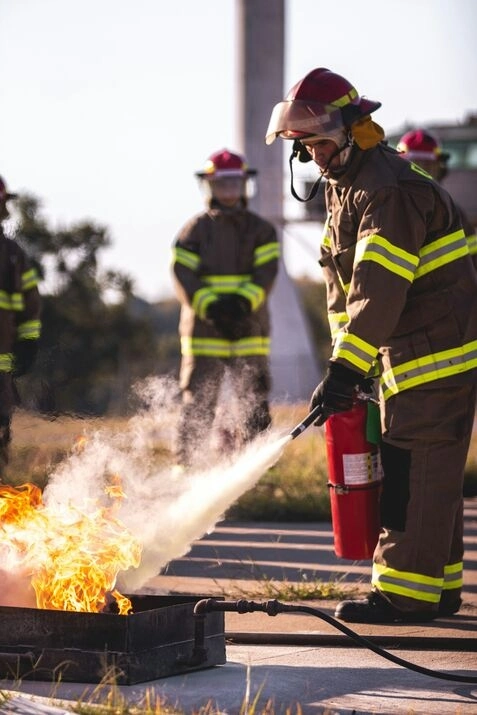
The right course depends on your educational background, experience, and target position.
NEBOSH International General Certificate (IGC)
This qualification develops knowledge of occupational health and safety management and is requested by some employers recruiting for international safety roles.
IOSH training
IOSH courses can help learners understand workplace safety responsibilities. The appropriate course depends on your experience and learning objectives.
Diploma in Fire and Safety or Occupational Health and Safety
A suitable diploma may provide a foundation in fire prevention, hazard identification, emergency response, and workplace safety. Check its recognition and eligibility requirements before enrolling.
No single certificate guarantees employment in every Gulf country. Certain roles may require additional academic qualifications, professional registration, local approvals, or relevant experience.
Essential Skills Every Safety Officer Should Develop
A good safety officer needs more than certificates. Employers also look for practical skills and the ability to communicate safety instructions clearly.
Important skills include:
- Hazard identification: Recognising unsafe conditions before they cause accidents.
- Risk assessment: Evaluating hazards and recommending appropriate control measures.
- Communication: Explaining safety procedures to workers, supervisors, and contractors.
- Report writing: Recording inspections, incidents, and corrective actions accurately.
- Emergency response: Understanding evacuation procedures and workplace emergency plans.
- Attention to detail: Identifying safety issues that others might overlook.
Improving these skills during training can help you prepare for interviews and workplace responsibilities.
How to Apply for Safety Officer Jobs in the Gulf
Once you have the appropriate qualifications, begin preparing for job applications.
- Create a clear CV highlighting your education, safety certifications, practical training, and relevant experience.
- Search for vacancies using terms such as Safety Officer, HSE Officer, EHS Officer, and Junior Safety Officer.
- Compare each vacancy’s educational, certification, experience, and country-specific requirements.
- Apply through verified company career pages and reputable recruitment platforms.
- Prepare for interviews by revising risk assessment, PPE, fire safety, incident reporting, and emergency procedures.
Be careful with recruitment offers that promise guaranteed jobs in exchange for large advance payments. Verify employers, recruitment agencies, visa arrangements, and employment terms before making commitments.
Frequently Asked Questions
Is graduation compulsory to become a safety officer in the Gulf?
Not every safety-related position has the same educational requirements. Some employers accept relevant diplomas and professional qualifications, while others require a degree and substantial experience. Always check the specific vacancy.
Is NEBOSH compulsory for Gulf safety officer jobs?
NEBOSH IGC is requested by some employers, particularly for certain construction and industrial roles, but it is not a universal requirement for every position. Check the job description and applicable local regulations.
Can freshers apply for safety officer jobs in the Gulf?
Some entry-level opportunities may be available, but many vacancies require previous experience. Freshers can improve their prospects by gaining relevant training, practical exposure, and experience in junior or trainee positions.
Start Building Your Career in Fire and Safety
A career as a safety officer can be a worthwhile option for students who want to work in construction, industrial operations, or occupational health and safety. Whether you have completed Plus Two or graduation, the first step is to understand the qualifications needed for your preferred career path.
Choose your training carefully, develop practical skills, and gain relevant experience before applying for Gulf opportunities. With the right preparation and a realistic understanding of employer requirements, you can take informed steps towards a career in workplace safety.