Choosing the right career after Plus Two can be challenging. While many students consider traditional options such as engineering and medicine, fire and safety offers another career path with opportunities across different industries.
A fire and safety course after 12th introduces students to fire prevention, firefighting techniques, industrial safety, risk assessment, and emergency management. These skills are important in construction sites, hospitals, factories, oil and gas facilities, and commercial buildings.
For students in Kerala and other parts of India who are interested in building a career in safety, understanding the available courses, eligibility, fees, and job opportunities is a good starting point.
Let’s explore what you should know before choosing this career path
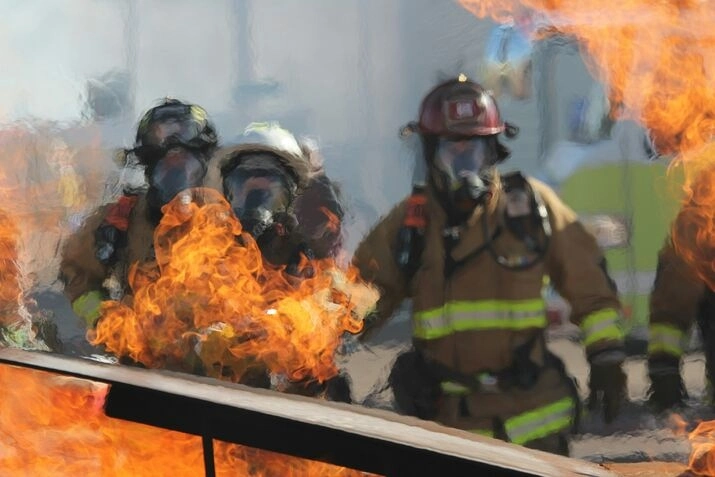
Why Choose a Career in Fire and Safety?
Workplace accidents, electrical faults, chemical leaks and fire emergencies can put lives and property at risk. Organisations need trained professionals who can identify hazards, implement safety procedures and respond to emergencies.
Fire and safety professionals help organisations by:
- Identifying potential workplace and fire hazards.
- Inspecting firefighting equipment and safety systems.
- Conducting workplace safety inspections.
- Preparing emergency evacuation procedures.
- Organizing fire drills and safety awareness programmes.
- Supporting accident prevention and risk assessment.
The profession involves much more than firefighting. It focuses on preventing accidents and creating safer working environments.
Can You Join a Fire and Safety Course After 12th?
Yes. Students who have completed Plus Two can apply for various fire and safety programmes in India. However, eligibility depends on the course, qualification level and institution.
Some common options include:
1. Diploma in Fire and Safety Engineering
Covers fire prevention, firefighting equipment, fire protection systems and emergency response.
2. Diploma in Fire and Industrial Safety
Introduces industrial hazards, workplace inspections, accident prevention and personal protective equipment (PPE).
3. Diploma in Health, Safety and Environment (HSE)
Focuses on occupational health, environmental protection, risk assessment and workplace safety management.
4. B.Sc. in Fire and Safety
An undergraduate pathway covering fire science, safety engineering, hazard management, and emergency planning.
Course titles and recognition vary between institutions. Always verify the qualification and awarding body before admission.
Fire and Safety Course After 12th: Eligibility
Most programmes require students to have completed Class 12 or an equivalent qualification. However, some diploma courses accept Class 10 graduates.
Other possible requirements include:
- Minimum marks specified by the institution.
- Science subjects for selected technical programmes.
- Medical or physical fitness for certain operational roles.
- Additional admission requirements vary by qualification.
A science background is not compulsory for every diploma programme, but technical and engineering courses may have specific subject requirements.
Course Duration and Fees in India
The duration and cost of fire and safety training depend on the qualification, institution and practical training facilities.
Typical course durations include:
| Course Type | Duration |
|---|---|
| Certificate Course | 3–6 months |
| Diploma Course | Around 1 year |
| Advanced Diploma | 1–2 years |
| Undergraduate Degree | 3–4 years |
These are general estimates, not fixed durations.
There is no standard fee for a fire and safety course in India. Fees vary according to course level, certification, training facilities, and institutional recognition.
Before enrolling, ask for a complete fee breakdown covering admission, examinations, practical sessions, study materials, and certification.
What Will You Learn in a Fire and Safety Course?

A quality programme combines classroom learning with practical exposure.
Important subjects may include:
- Fire Science: Understanding how fires start, spread and can be prevented.
- Firefighting Equipment: Learning about extinguishers, alarms, hydrants and sprinkler systems.
- Industrial Safety: Identifying workplace hazards and preventing accidents.
- Emergency Management: Understanding evacuation procedures and emergency response.
- First Aid and Rescue: Learning basic emergency assistance and rescue procedures.
- Risk Assessment: Identifying hazards and recommending suitable preventive measures.
Practical training is particularly important because safety professionals must understand how to apply their knowledge in real workplace situations.
What Jobs Can You Get After a Fire and Safety Course?
After completing a suitable qualification, students can explore different career opportunities depending on their training, experience and employer requirements.
Some potential job roles include:
- Fire and Safety Officer: Monitors workplace safety, identifies fire hazards and conducts inspections.
- Safety Supervisor: Oversees safety procedures and helps prevent workplace accidents.
- HSE Officer: Supports health, safety and environmental management activities.
- Fire Safety Technician: Works with fire alarms, extinguishers and fire protection systems.
- Safety Inspector: Identifies unsafe conditions and recommends corrective measures.
- Firefighter: Responds to fire emergencies and participates in rescue operations. Separate recruitment and physical fitness requirements usually apply.
Which Industries Hire Fire and Safety Professionals?
Fire and safety qualifications can be relevant across several employment sectors, including:
- Construction and infrastructure.
- Oil and gas industries.
- Manufacturing and industrial facilities.
- Hospitals and healthcare organisations.
- Airports and aviation facilities.
- Hotels and commercial buildings.
- Warehouses and logistics companies.
- Power plants and energy industries.
The specific opportunities available depend on the qualification and experience required by employers.
Can You Get Fire and Safety Jobs in Gulf Countries?
Yes. Countries such as the UAE, Saudi Arabia, Qatar, Oman and Kuwait offer employment opportunities in fire protection, industrial safety and HSE-related fields.
Construction projects, oil and gas facilities, manufacturing companies and commercial developments require trained safety professionals.
However, completing a diploma does not guarantee an overseas job. Employers may expect recognised qualifications, relevant work experience, additional certifications and knowledge of local safety regulations.
Students in Kerala and other parts of India planning to work in the Gulf should research employer requirements before selecting a course.
How to Choose the Right Fire and Safety Institute
Choosing a suitable training institute is essential for building a strong foundation.
Before taking admission, check these factors:
- Recognition: Verify the institution’s affiliation and the qualification’s validity.
- Practical Training: Check whether students receive hands-on experience with firefighting and safety equipment.
- Experienced Trainers: Look for instructors with relevant industry knowledge.
- Course Curriculum: Ensure that important fire prevention and industrial safety topics are covered.
- Placement Support: Ask about internships, career guidance, and actual placement assistance.
- Student Reviews: Speak with former students and check genuine feedback
Don’t choose an institute based only on low fees or promises of overseas jobs. Quality training and practical knowledge matter.
Frequently Asked Questions
1. Can I study fire and safety after Plus Two?
Yes. Students who have completed Plus Two can apply for several certificate, diploma and undergraduate programmes, depending on eligibility.
2. Is science compulsory for fire and safety courses?
No. Some diploma programmes accept students from different academic streams. Certain technical and engineering courses may require science subjects.
3. How long does a fire and safety course take?
Certificate courses may take a few months, diploma programmes around one year and undergraduate degrees three to four years.
4. Can girls study fire and safety?
Yes. Women can pursue careers in HSE, safety management, inspections, compliance and suitable operational roles.
5. Can I work in the Gulf after completing a fire and safety course?
Yes, opportunities exist, but employers may require recognised qualifications, additional certifications, and relevant experience.
Start Your Journey Towards a Career in Safety
A career in fire and safety is about developing the skills to prevent accidents, manage risks, and protect lives. For students who have completed Plus Two, the right training can provide a foundation for exploring opportunities in India and abroad.
Take time to compare courses, check institutional recognition and understand the practical training offered before making your decision.
Your journey towards a safer and more rewarding career starts with the right education.